
AI Workflow Studio
Turn disconnected work into intelligent workflows.
ORQEST designs AI-powered workflows that connect your tools, automate repetitive work, process business information, and coordinate actions across your organization.
Designed for engineering and modern business operations.
The problem
Your business runs on tools that don't talk to each other.
Every gap between systems is paid for in someone's hours. These are the gaps we close:

Disconnected tools
Inbox, WhatsApp, spreadsheets, CRM, accounting — each works alone; none share what they know.
Manual handoffs
Work moves between people by "did you see my message?" — and sometimes it doesn't move at all.
Repetitive admin
The same customer data typed into three systems. Every week. By someone you pay.
Slow approvals
Quotations and purchase requests wait days for a signature that takes seconds to give.
Fragmented documents
RFQs, specs and invoices trapped in attachments, versions scattered across drives and inboxes.
Reporting overhead
Hours assembling status reports by hand from information the systems already contain.
The ORQEST system
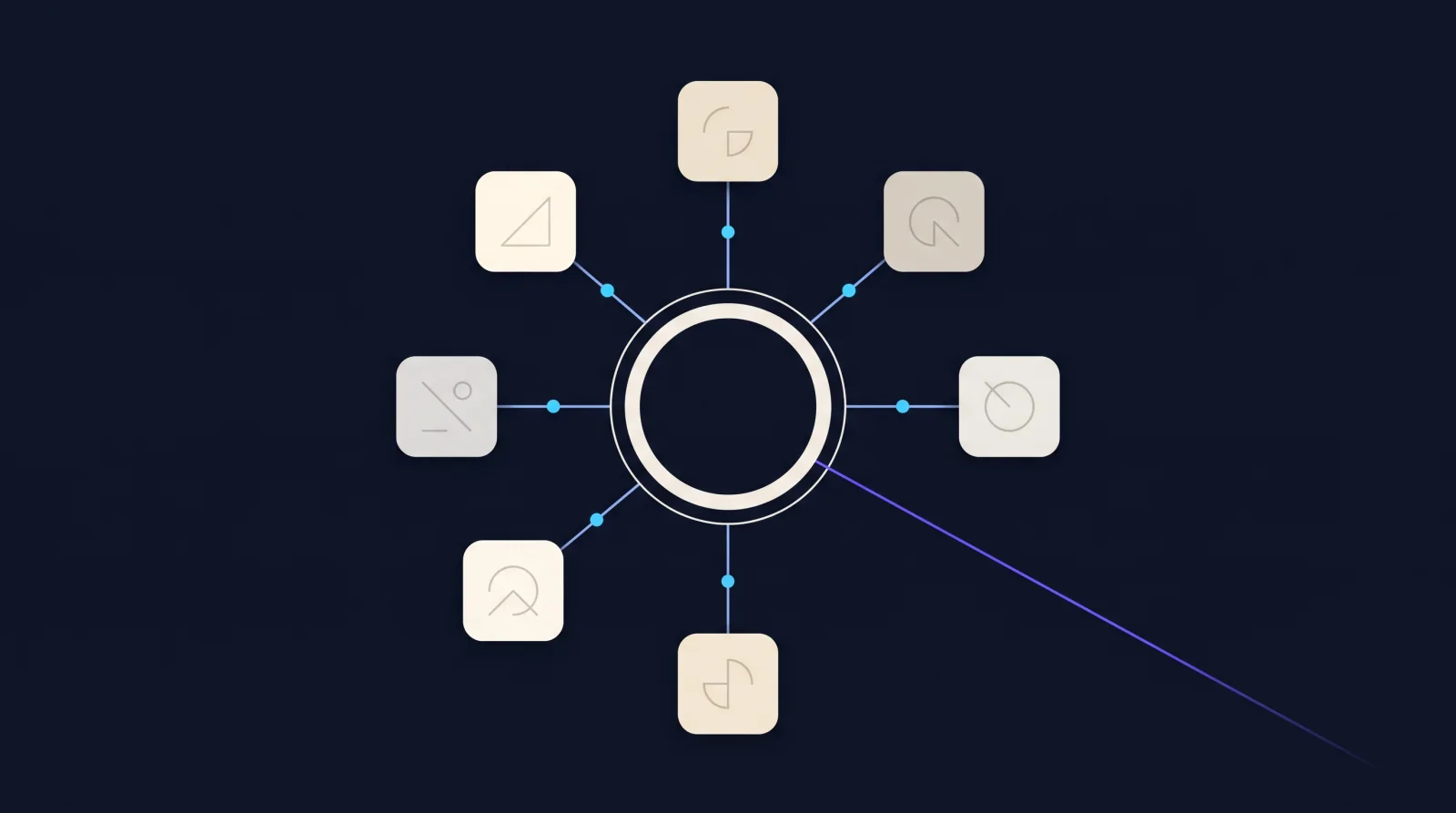
Four moves. One working system.
Your software stays where it is. We build the layer that makes it act as one.
- 01
Connect
Existing tools and data, joined by the connections they never had.
- 02
Automate
Data entry, routing, follow-ups and status updates run without anyone retyping.
- 03
Understand
AI reads, classifies and summarises — with human approval where it matters.
- 04
Orchestrate
Every step knows what came before and triggers what comes next.
Engineering spotlight
Built for workflows where details matter.
Engineering and technical companies carry the heaviest administrative load: RFQs, technical documents, procurement, maintenance, reporting. This is ORQEST's flagship specialisation.
Example — Engineering RFQ → Quotation:
- RFQ received
- Requirements extracted
- Discipline identified
- Engineer reviews
- Manager approves
- Quotation sent + follow-up scheduled
Technical document control
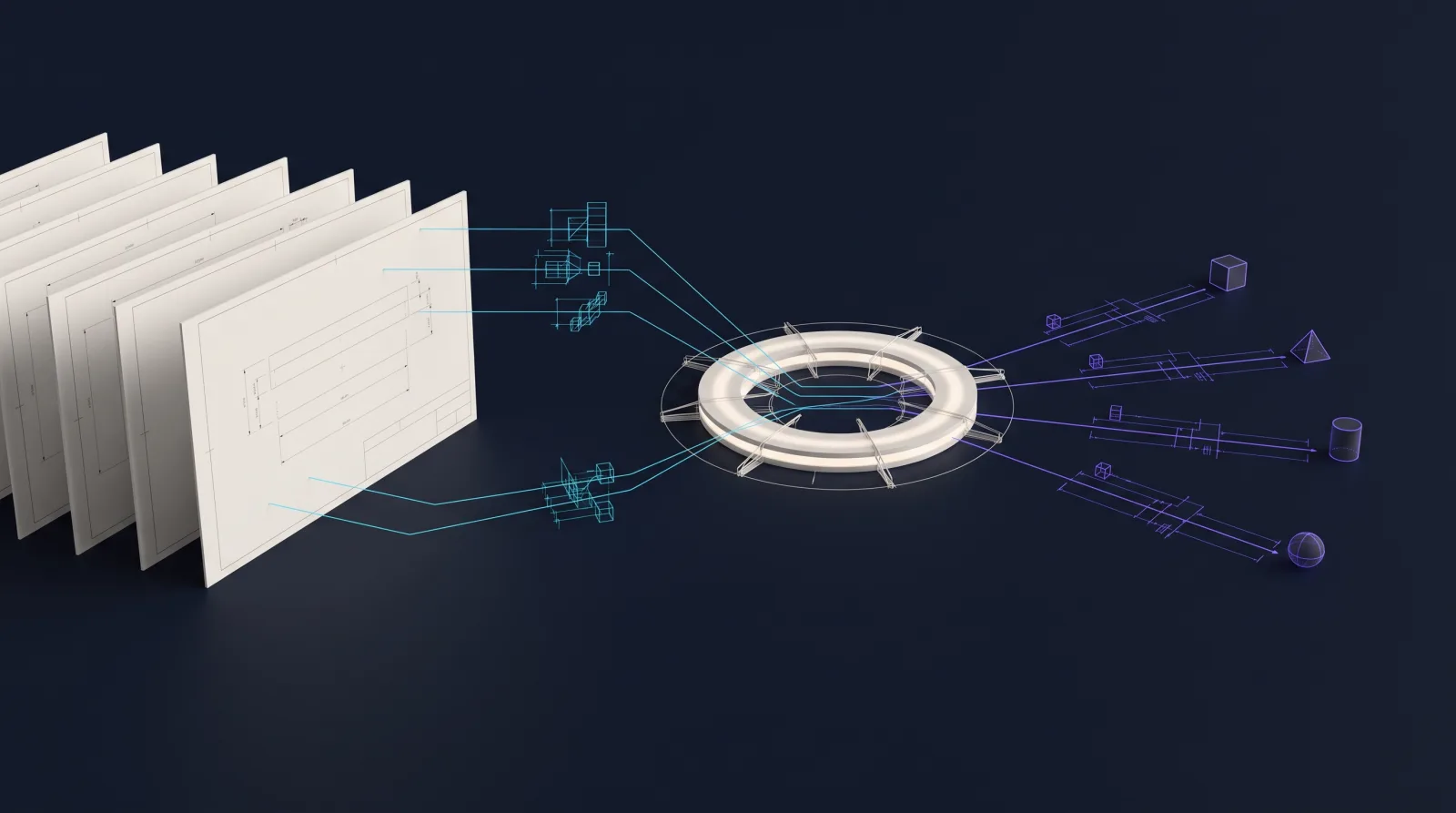
Drawings, RFIs and submittals classified, logged, revision-tracked and routed to the right reviewer.
Procurement
From purchase request to supplier comparison to PO — with engineering and commercial approval gates intact.
Maintenance & reporting
Issues become work orders with history attached; weekly project reports assemble themselves.
Services
A clear service architecture — not a menu of buzzwords.
Workflow Discovery & Process Mapping
Understand how your business actually runs — before anything is automated.
Learn more → SERVICE 02AI Workflow Automation
Custom automations across inquiry handling, sales, CRM and operations.
Learn more → SERVICE 03Document Intelligence
Extract, classify, summarise and route the documents your business runs on.
Learn more → SERVICE 04 — FLAGSHIPEngineering Workflow Automation
RFQ→quotation, document control, procurement, maintenance, project reporting.
Learn more → SERVICE 05Managed Workflow Optimization
Your workflows monitored, maintained and improved — month after month.
Learn more → OVERVIEWAll services
How the six services fit together, from first audit to ongoing optimization.
See the architecture →The ORQEST method
Six stages. Human checkpoints at every one.
Discover
Map how work really moves today.
Define
Isolate the real bottleneck; set measurable success.
Design
Future-state workflow with explicit approval gates.
Develop
Build the integrations, automation and AI components.
Deploy
Test, train, launch — monitoring on before go-live.
Optimize
Measure, learn, improve. Permanently.

Workflow demonstrations
Demonstrations, not case studies.
ORQEST is a developing studio. These are working demonstration scenarios that show exactly how each workflow behaves — honestly labelled as demos until earned client results replace them.
Engineering RFQ
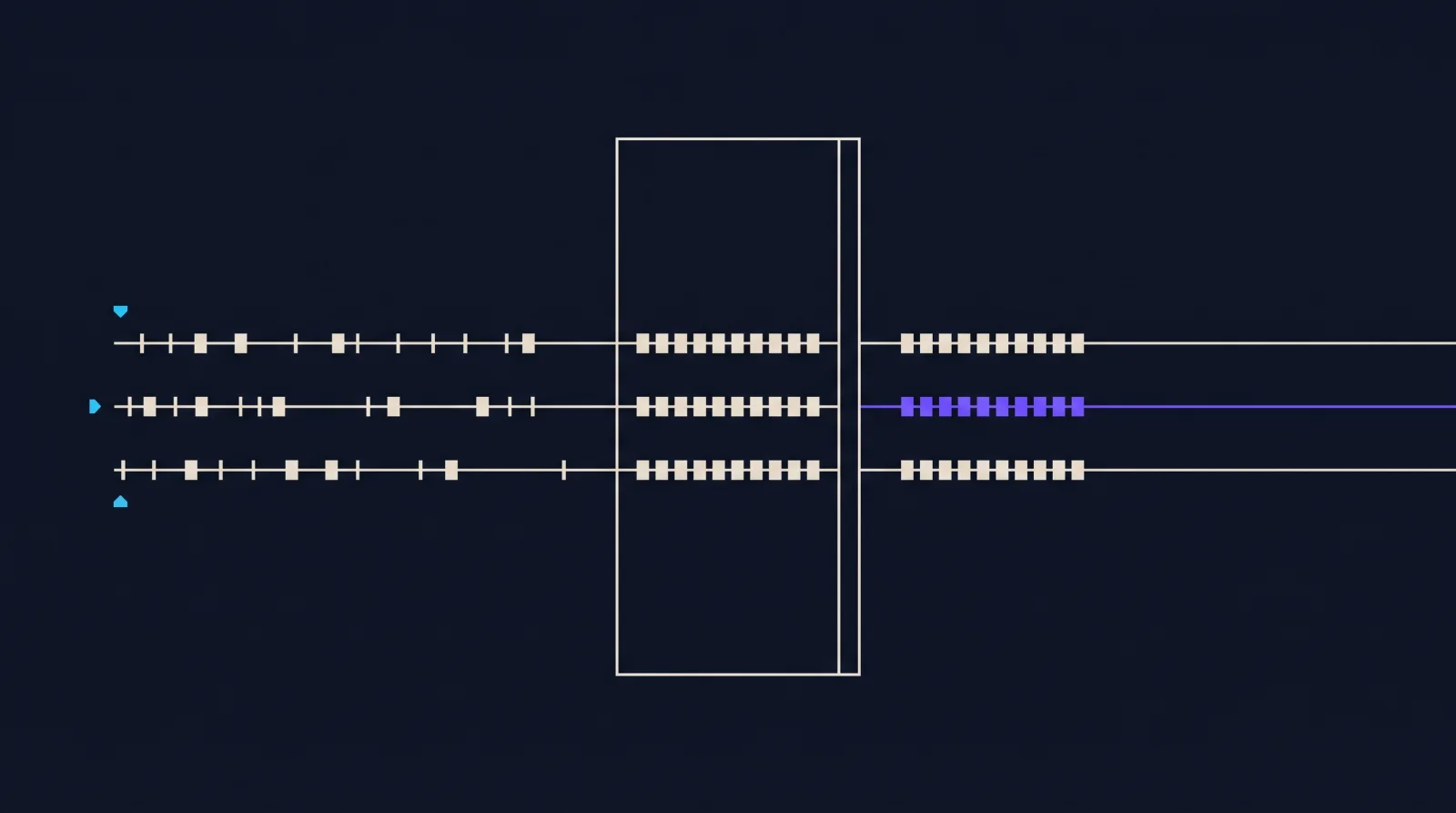
Inbound RFQ to approved quotation with follow-up — engineer and manager in the loop.
Technical document control
Submittal intake, metadata extraction, revision log, reviewer routing, overdue alerts.
Maintenance coordination
Issue report → asset match → work order → technician → completion → recurrence analysis.
Lead to quotation
Inquiry classified and qualified, CRM updated, owner assigned, follow-up never forgotten.
Management reporting
Weekly status assembled automatically from tasks, documents and procurement data.
Document intake
Invoices and forms extracted, validated and posted into the systems of record.
Why ORQEST
Six reasons this works.
Business-process first
We start from how you work, not from a tool we want to sell.
Engineering-aware
RFQs, submittals, revisions and work orders are our native vocabulary.
Works with existing software
Nothing is replaced unless connection genuinely can't deliver.
Human approvals preserved
AI assists the administration. Judgment, calculations and sign-off stay human.
Measurable outcomes
Every workflow ships with a metric and a review schedule.
Continuously optimized
Deployment is the beginning — workflows are maintained and improved monthly.

Start here
Find the workflow costing your team time.
A workflow audit maps how your business runs today and where the hours are leaking — a concrete document you keep, whatever you decide next.
- One to three days of analysis
- You keep the roadmap either way
- No obligation to continue